

I’ve done a lot of silly things in the name of car enthusiasm – bought a dodgy MX-5 sight unseen, tried to heel-and-toe in brogues, even attempted a track day in torrential rain with zero tread on my tyres (don’t). But deciding to do a racing licence course? That was on another level.
Not because it was reckless – quite the opposite – but because it felt like a step into the proper world of motorsport. The big leagues. The grid. The start lights. And me, some bloke with a decent set of tyres and a habit of overdriving corners.
Here’s what it’s really like to do a UK ARDS racing licence course – from nerves to noise, and everything in between.
Why Bother?
Let’s be honest: most of us don’t need a racing licence. Track days scratch the itch just fine. But if you’ve ever caught yourself wondering, “Could I actually race?” – then the ARDS course is the first door you have to knock on.
For me, it was a birthday gift to myself. I’m not chasing podiums or trying to become the next BTCC wildcard – I just wanted to see if I could cut it. And maybe get one step closer to that fantasy where I heroically outbrake someone into Copse on a Sunday afternoon.
The Circuit: Silverstone, Naturally
.jpg)
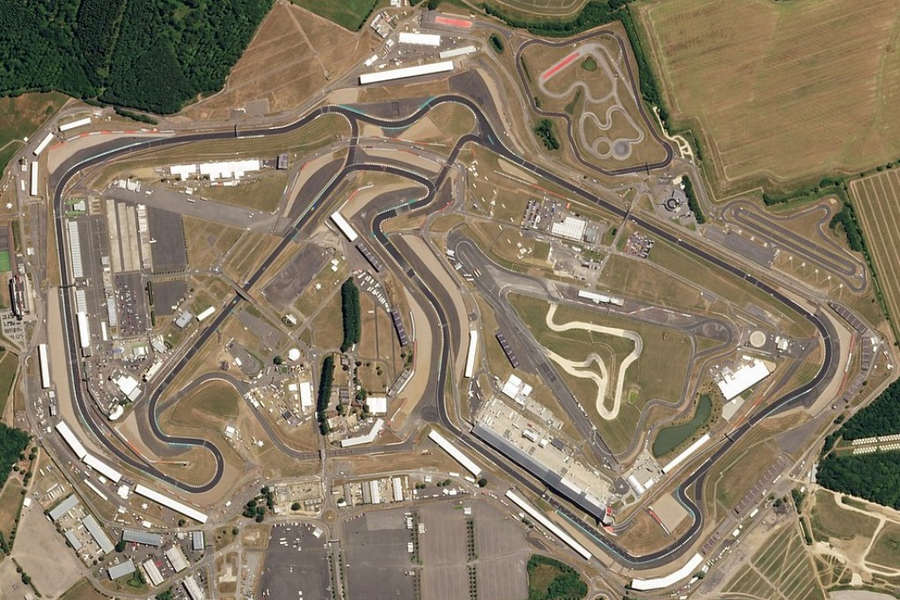
If you’re going to pretend to be a racing driver for a day, you might as well do it somewhere iconic. So I booked my course at Silverstone – wide, flowing, forgiving, and with just enough historical gravitas to make you feel like you belong in motorsport, even if you showed up in a diesel Skoda.
I arrived early, trying to look calm but radiating “first day of school” energy. There were a few others already milling about – some younger lads clearly eyeing a future in proper competition, others like me just there for the thrill of it.
Signing In and Sizing Up
First, you sign in, hand over your paperwork, and awkwardly try to act like you know what you’re doing. Pro tip: don’t say “brake fade” more than twice in a sentence. Then it’s into a classroom for a briefing with your instructor – who’s usually a proper racing driver and looks entirely unfazed by your existence.
The briefing covers safety, etiquette, and the flags – the all-important coloured bits of cloth you’ll be quizzed on later. Pay attention here. Not just because you’ll be tested, but because misunderstanding the yellow flag on track will end badly (for your pride, if not your wallet).
Out to the Paddock
Then it’s out to the cars. On our day, we used a fleet of BMW M2s – quick, planted, and thankfully less twitchy than the Caterhams some other circuits offer. You get a few warm-up laps with the instructor talking you through your lines, braking points, gear choices – all while you try not to drive like someone who’s had too much coffee and not enough talent.
It’s honestly one of the best bits. You’re on a real circuit, in a serious car, pushing yourself just enough to feel heroic but not enough to bin it. The instructor’s watching, but it’s not intimidating – they want you to succeed (as long as you don’t drive like a weapon).
The Test: Two Laps to Impress
Then comes the bit where things get quiet – literally. Your instructor stops giving advice and starts judging. Two laps, solo in spirit, with them silently taking notes beside you.
This is the actual assessment. And let me tell you, it feels very serious. You suddenly forget which way the track goes. You second-guess every downshift. You wonder if you’re being too cautious or too aggressive. But mostly, you just hope you don’t do something daft like overcook a corner or, worse, miss an apex by an entire postcode.
Fortunately, it’s not about raw speed. It’s about smoothness, control, and knowing your limits. Nail those, and you’re golden.
The Written Bit (Don’t Roll Your Eyes)

Back in the classroom, it’s time for the written test. Half of it is general motorsport knowledge – safety cars, flag procedures, basic racecraft – the sort of stuff you can prep with a quick read-through of the rulebook.
The other half is all about flags. You get shown a flag and have to write down what it means. Get even one wrong in that section, and you fail. No pressure.
I’d drilled these the night before like I was revising for GCSEs. Red, yellow, blue, green, black, chequered – I could probably still recite them in my sleep. I passed, thankfully.
What Surprised Me
A few things caught me off guard.
- It’s less about speed, more about attitude. You don’t have to be a hero – just safe, consistent, and aware.
- The instructors are encouraging, not scary. They’re not there to trip you up; they want you to pass – if you’ve earned it.
- You leave feeling like you’ve actually achieved something. It’s not just a jolly. It’s a genuine, earned qualification.
Also, I didn’t expect how much it would reignite my passion for driving. I’ve done loads of track days, but this felt like a new level. Not just fast laps, but fast laps with purpose.
Should You Do It?
If you’ve ever toyed with the idea of racing – even just club-level stuff – yes, do the ARDS course. Even if you never line up on a proper grid, you’ll become a better, more aware driver. And if you do end up racing, it’ll be the first step on a proper adventure.
If you just like the idea of a more structured, adrenaline-packed day at the track, it’s worth it for that alone. You’ll come away with some bragging rights, a better understanding of what racing really involves, and possibly a new addiction.
Just remember to bring your sense of humour, some humility, and maybe don’t wear your fanciest trainers – pit lanes are mucky places.