
London’s car club network has suffered a dramatic reduction in size since Zipcar stopped operating in the capital, with the number of available vehicles falling by almost 90%.
Figures from shared transport charity Collaborative Mobility UK, commonly known as CoMoUK, show that only 330 car club vehicles were available across London six months after Zipcar’s departure. Before the company withdrew, drivers had access to approximately 2,800 vehicles.
That represents an 89% fall and leaves Londoners who previously relied on car clubs with significantly fewer options when they need temporary access to a vehicle.
Zipcar’s Departure Leaves a Major Gap
Car clubs allow members to reserve vehicles parked in convenient locations, usually through a mobile app. Customers can typically book a car for a short journey, several hours or a full day, without taking on the expense and responsibility of ownership.
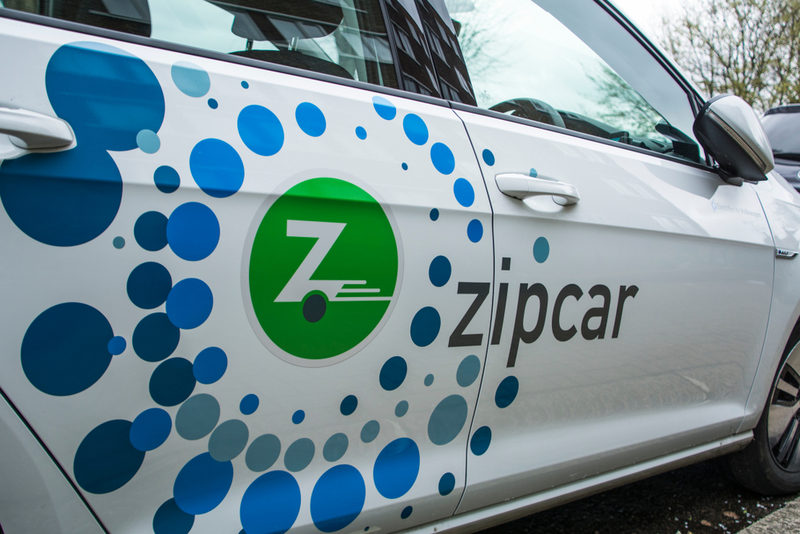
Zipcar was comfortably the largest operator in London before announcing its withdrawal in December 2025. Its departure removed thousands of vehicles from the capital’s streets almost immediately.
Although the remaining operators have added around 100 cars since the end of 2025, the growth has been nowhere near enough to replace the lost Zipcar fleet.
Enterprise Car Club, Free2move and Co Wheels have all indicated that they are examining opportunities to expand in London. However, none has yet committed to a significant increase in vehicle numbers.
Peer-to-peer services such as Hiyacar and Turo have also reported greater interest. These platforms operate differently from conventional car clubs because the vehicles are supplied by private owners rather than belonging to a central fleet. Their ability to expand therefore depends on enough people being willing to list their cars for rent.
Former Members Consider Buying Cars

/ Shutterstock
The shortage may be encouraging some former car club users to move towards private vehicle ownership.
CoMoUK surveyed 216 previous Zipcar customers and found that 9% had already bought or leased a car since the service disappeared. A further 55% said they were considering doing so.
This trend runs against one of the main purposes of car clubs. By giving several people access to the same vehicle, the clubs can reduce the number of privately owned cars needed in a city. Users can avoid costs such as insurance, servicing, depreciation and residential parking while still having access to a vehicle when public transport is unsuitable.
Car-sharing organisations also argue that their services can reduce emissions by discouraging unnecessary car ownership. However, operators have sometimes found it difficult to make their business models profitable.
Zipcar’s owner, Avis Budget Group, ultimately decided to close the loss-making London operation while continuing to run Zipcar in the United States.
London Borough Rules Blamed for Slow Recovery

London would appear well suited to car sharing. The capital has an extensive public transport network, while 42% of its residents live without owning a vehicle.
CoMoUK chief executive Richard Dilks believes the market is being hindered by the absence of a consistent system covering the whole city.
Car club operators must deal separately with London’s 32 boroughs, which can have different licensing processes, parking arrangements and fees. Some councils have made it cheaper and easier for operators to provide vehicles, but the overall system remains fragmented.
Other shared transport services, including dockless bicycles operated by Lime and Forest, are managed through arrangements involving Transport for London. Car clubs do not currently have an equivalent central framework.
Dilks described the 89% decline as a “catastrophic” result, particularly when car-sharing schemes are performing more strongly in other European cities.
The latest figures also highlight how far London has fallen behind its previous ambitions. Around a decade ago, Transport for London set a target of reaching one million car club members by 2025. Instead, the number of available vehicles is now less than one-fifth of the total operating in the city at that time.
Unless existing providers expand or new operators enter the market, Londoners seeking occasional access to a car are likely to continue facing limited availability.