
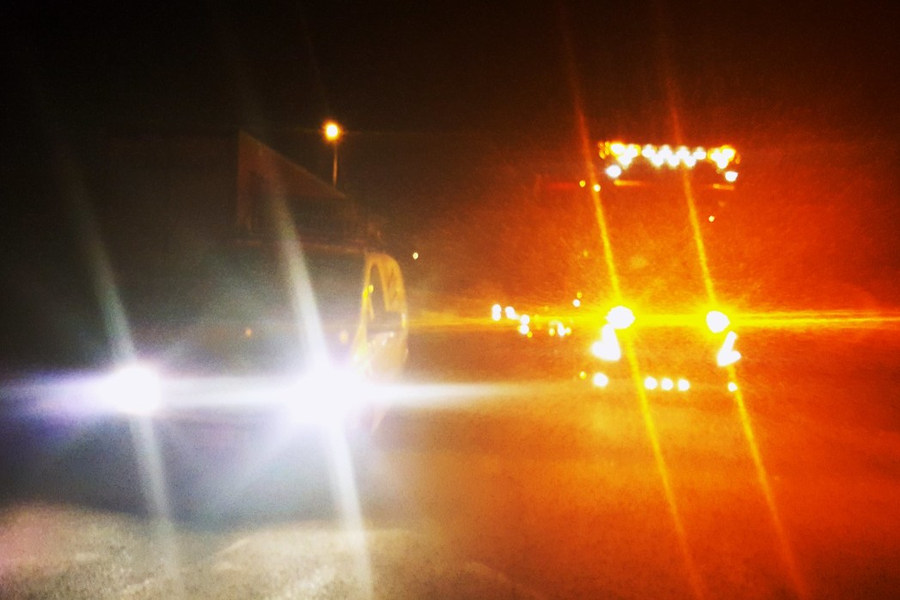
If you’ve driven on UK roads at night recently, you’ve likely had the same thought as thousands of others: are headlights getting brighter, or is it just me? You’re not imagining it. From rural lanes to dual carriageways, increasing numbers of drivers are finding themselves dazzled by oncoming lights that feel more like search beams than headlamps. But what’s actually going on here? Is it a technical evolution gone too far, or just a case of poorly aimed beams?
Let’s break down what’s causing the glare—and what, if anything, is being done about it.
The Rise of Brighter Bulbs: LED, HID, and Matrix Systems
Modern headlights have come a long way from the old halogen units that lit up the road with a gentle yellow glow. Today’s systems are all about power and precision—at least in theory.
High-Intensity Discharge (HID) lamps kicked off the brightness revolution in the early 2000s. These xenon gas-filled units produce a bluish-white light that’s more intense and covers a wider area than halogens. Then came Light Emitting Diodes (LEDs), which are now the default in most new vehicles. LEDs are incredibly efficient, last longer, and can be packed into complex arrangements for better beam control. Top-end models even boast adaptive matrix systems that use cameras to adjust the beam in real time, avoiding dazzling oncoming traffic.
The problem? Not everyone is driving a new Mercedes or Audi with cutting-edge adaptive lighting. Many are using standard LED or HID setups that can easily cause discomfort to others if not properly aligned—or if installed as aftermarket upgrades in older cars.
Brightness vs Glare: What’s the Difference?

It’s important to separate brightness from glare. Headlight brightness, measured in lumens, is regulated by UK and EU standards. So technically, all headlights on the road are within legal limits. However, perceived glare—how blinding those lights feel to other drivers—is a different story entirely.
Glare isn’t just about intensity; it’s about how and where the light hits your eyes. Misaligned headlights, dirty lenses, or improper retrofits can all cause dazzling glare without breaking any official brightness rules. Combine that with faster, more powerful beams and you’ve got a recipe for eye strain and frustration, especially in dark or wet conditions.
A 2022 RAC survey found that 89% of drivers thought some headlights were too bright, with many saying it made them feel unsafe when driving at night. The AA and IAM RoadSmart have voiced similar concerns, pointing to glare as a rising issue in road safety.
Height Matters: The SUV Factor
Vehicle height plays a surprisingly big role in this dazzle dilemma. With the SUV boom showing no signs of slowing, more cars now sit taller on the road. That means their headlights are mounted higher too—often at the perfect level to beam directly into the windscreen of a standard hatchback or saloon.
Even legally-aligned headlights can become a problem when the height difference is significant. It’s a simple case of angles. For drivers in lower cars, it can feel like they’re constantly squinting into oncoming floodlights. For pedestrians and cyclists, it can be even worse.
What the Law Says—and What It Doesn’t
In the UK, the Road Vehicles Lighting Regulations 1989 lay out the basic rules for headlight use, but they haven’t been meaningfully updated to reflect modern LED and adaptive lighting technologies.
Here’s what is currently required:
- Headlights must not cause undue dazzle to other road users
- Vehicles must pass MOT checks on headlamp alignment and beam pattern
- Aftermarket conversions (e.g. fitting HID bulbs into halogen units) are technically illegal unless the whole lighting system is upgraded—though this is poorly enforced
In 2021, then-Transport Minister Baroness Vere acknowledged the public concern over dazzling headlights and said the issue was under review. However, as of mid-2025, no new legislation has been passed. The Department for Transport (DfT) told the press earlier this year that it continues to “monitor the situation,” but campaigners are calling for more than passive observation.
Are Reviews or Changes Coming?

The United Nations Economic Commission for Europe (UNECE) has been working on updated global regulations for headlight design, with a focus on reducing glare and improving alignment standards. The UK, post-Brexit, isn’t automatically bound by UNECE changes but typically follows similar frameworks.
Meanwhile, road safety groups like Brake and The Parliamentary Advisory Council for Transport Safety (PACTS) have urged the government to tighten up MOT enforcement and review headlamp standards for newer cars. There’s also pressure to crack down on cheap and non-compliant aftermarket kits sold online.
In the EU, some member states are already pushing for stricter rules on LED headlamp glare. If that gains momentum, the UK may be prompted to follow suit to maintain manufacturing and safety parity.
So What Can Drivers Do?
While the long-term fix will have to come from regulation and better tech, there are some practical steps that drivers can take in the meantime:
- Check your alignment. Headlight aim can drift over time, especially after suspension changes, new tyres, or a heavy load. It’s worth getting your lights checked during routine servicing—not just at MOT time.
- Be cautious with retrofits. Swapping halogen bulbs for cheap HID or LED units might seem like a quick upgrade, but without the right housings and beam projectors, they can cause serious glare and may not be road legal.
- Adjust for load. If your car allows for manual headlamp levelling, lower the beams when carrying heavy cargo or passengers in the rear.
- Consider the impact when buying new. If you’re shopping for a new or used car, especially an SUV, ask about headlight height and whether the car features adaptive or matrix lighting that reduces glare for others.
- Report problem headlights. If you repeatedly encounter dangerously bright or misaligned lights from a specific vehicle (like a local bus or fleet van), it’s worth reporting it to DVSA or the vehicle operator.
Brighter headlights are here to stay—but so is the need to share the road safely. As lighting technology advances, so too must our rules and responsibilities. Dazzle shouldn’t be the price of progress, and with the right approach from drivers, manufacturers, and lawmakers, we can strike a better balance between visibility and courtesy.
Until then, keep your lenses clean, your beams checked, and your high beams dipped—and let’s all try to avoid turning our late-night drives into laser shows.