
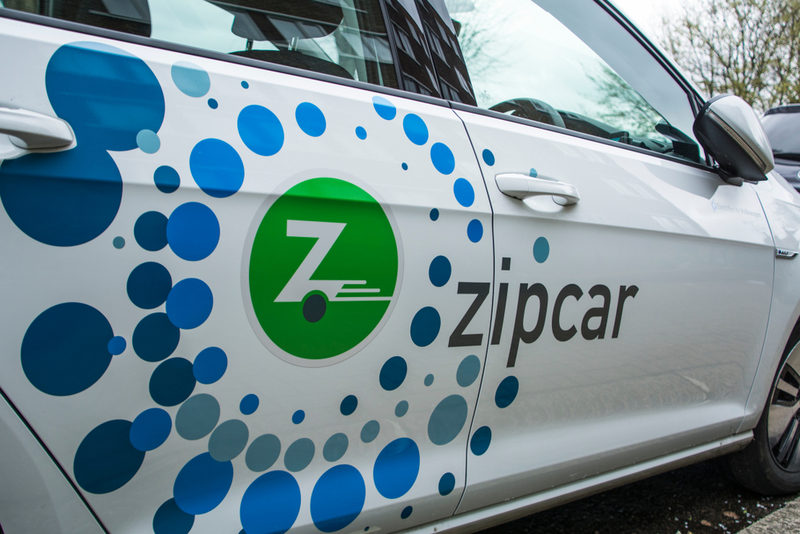
The planned departure of Zipcar from London has triggered growing concern about the future of car clubs in the capital, with environmental groups now calling for direct intervention from the Mayor of London.
Zipcar has confirmed it intends to stop operating in the city from 31 December, a move that removes one of London’s most recognisable car-sharing services. While the company has not set out a detailed explanation for the decision, the announcement has prompted wider questions about whether current policies in London are making it harder for car clubs to survive.
Calls For Urgent Action At City Hall
In a letter sent to Sir Sadiq Khan, campaigners said “urgent questions” had been raised about how “policy conditions in our city are harmful to car sharing services”. The letter was submitted ahead of an extraordinary meeting at City Hall, where four policy proposals are due to be discussed with the mayor and Transport for London.
Among the proposals is an urgent plan to address the gap left by Zipcar’s withdrawal, reflecting concerns that the loss of a major operator could weaken the wider car-club network in London.
A spokesperson for the mayor said he “wants to ensure that car clubs can remain an option for Londoners”.
Concerns Over Climate And Transport Policy

Environmental groups have framed Zipcar’s departure as more than the loss of a single operator. The letter to the mayor described the exit of a major electric car club as “deeply concerning”, warning that “London risks falling even further behind other global cities that are leveraging shared, electric mobility as a cornerstone of their climate and transport strategies”.
Clean Cities London campaign manager Zak Bond expanded on those concerns in the Financial Times, calling Zipcar’s decision a “significant setback for delivery of the mayor of London’s transport strategy and for London’s wider decarbonisation goals”.
He added:
“It also raises urgent questions about why policy conditions in the capital have become so inhospitable to car-sharing operators, a mode that reduces private car ownership, lowers emissions and supports more efficient use of road space.”
Bond also warned that without swift action, the consequences could run counter to the city’s climate ambitions:
“If they fail to do so, the vacuum left by Zipcar will push many back into private car ownership, undermining the city’s climate goals.”
Congestion Charge Changes In The Background
Although Zipcar has not publicly detailed the reasons behind its UK exit, the company has previously highlighted the impact of planned congestion charge changes. From 2026, the daily charge will rise by 20% to £18, and the exemption for electric vehicles will end.
James Taylor, general manager at Zipcar UK, told MPs in September that removing the 100% EV discount could make car clubs “commercially unviable” in London. The timing of Zipcar’s decision has inevitably drawn attention to those warnings.
Boroughs Voice Their Concerns

London boroughs have also expressed unease about the implications of Zipcar’s departure. Brenda Dacres, chair of London Councils’ transport and environment committee, described car clubs as “an important part of London’s transport offer” and said they helped to lower carbon emissions.
She added:
“The recent announcement that Zipcar intends to close its UK operations is an issue of considerable concern for boroughs and for those residents who currently rely on their services.”
Dacres also pointed to the long-standing relationship between councils and the operator, noting that boroughs have worked with Zipcar for more than 20 years to provide parking bays and EV charging points through locally negotiated arrangements.
What Happens Next
The mayor’s office has confirmed that discussions are already under way. According to a spokesperson, “TfL and the mayor’s teams are meeting stakeholders including boroughs and car club operators over the coming days, to discuss these issues and consider opportunities to collaborate with councils to address the short-term challenges in London’s car club market, as well as longer-term solutions to support the sector moving forward.”
With Zipcar’s exit date now set, attention is shifting to what those discussions deliver — and whether changes can be made quickly enough to prevent further pressure on London’s remaining car-club operators.