

Streetcar was one of the names that defined the first wave of UK car clubs. Launched in 2004, it grew from a handful of cars near Clapham Junction to the largest car-sharing operator in the country before being sold to Zipcar in 2010. The brand has disappeared, but a lot of what people now associate with modern car clubs was shaped by Streetcar’s short but busy life.
How Streetcar Started
Streetcar was founded in London in 2004 by Durham University friends Brett Akker and Andrew Valentine. They’d seen car-sharing schemes working in Europe and North America and decided the same idea could work in the UK. The business launched with just eight cars in bays around Clapham Junction, aimed squarely at people who didn’t need a car every day but wanted easy access when they did.
From the beginning, Streetcar followed a familiar car-club pattern: members paid an annual fee and then booked cars by the hour or day, with fuel, insurance, tax and maintenance included in the price. Access was via a smartcard and PIN, so drivers could let themselves into the cars at any time without visiting a rental desk.
The UK’s Biggest Car Club
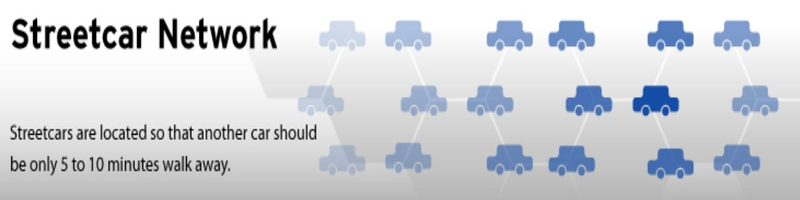
Streetcar grew quickly through the mid-2000s. What began as a small south-London operation turned into a dense network of bays across the capital and beyond. By the end of the decade it had a fleet running into the low thousands and locations across roughly ten or eleven UK towns and cities, including London, Brighton, Bristol, Cambridge, Oxford, Edinburgh, Glasgow, Southampton, Guildford and Maidstone.
Financially, it went from start-up to sector leader in a few years. In 2007 the company secured around £6.4 million from investor Smedvig Capital, bringing former Lex and RAC chief Trevor Chinn in as chairman. By 2009, Streetcar’s car-club revenue had risen to more than £16 million and the business had moved into profit, with turnover several times larger than Zipcar’s UK arm at that point.
For a while, Streetcar effectively dominated the London market. Official documents later described it as the largest car club in the UK, and its share of vehicles meant most London car-club bookings were going through Streetcar rather than through its rivals.
Innovation, Vans And Business Accounts
Streetcar also stood out for the way it broadened what a car club could offer. Its core fleet was built around VW Golfs and Polos, but it added VW Tourans and Transporter vans to cover family trips and light-haul jobs. In 2008 it introduced “Streetvan” in partnership with Homebase and Big Yellow Self Storage, offering short-term van hire for people moving house or picking up bulky items.
On the tech side, Streetcar was an early mover. In June 2009 it added what was widely billed as the UK’s first plug-in hybrid Prius to a car-club fleet, based in London as part of a trial with Camden. Then, in January 2010, it launched an iPhone app that let members find, book and unlock cars from their phone – a step that helped make app-based access feel normal long before it became standard across the industry.
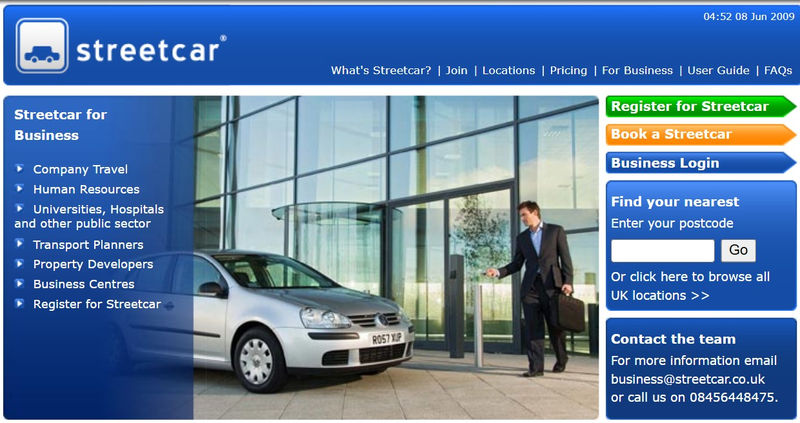
Streetcar also pushed into corporate use with “Streetcar for Business”, giving companies access to the fleet for staff travel instead of maintaining their own pool cars or reimbursing private mileage. Thousands of businesses signed up, and local authorities used the service as part of their efforts to cut grey-fleet emissions.
Sale To Zipcar
By 2010, Streetcar had become the clear market leader in the UK, and that position made it an obvious target for acquisition. In April 2010, US-based Zipcar agreed a multi-million-pound deal to buy the company. Public figures from later commentary put the sale value in the tens of millions of dollars, reflecting the size of Streetcar’s fleet and membership at the time.
The combined business immediately became by far the biggest car-club operator in London and across the UK. Competition authorities examined the deal because the merged company controlled the majority of UK car-club vehicles, but the merger was cleared in December 2010. Streetcar’s cars, bays and services were folded into the Zipcar brand over the following year, and related offerings such as Streetvan were later rebranded too.
From a member’s perspective, access to cars continued under a new logo, with the added benefit of international access to Zipcar vehicles in North America and elsewhere. For the brand itself, though, the sale marked the end: Streetcar stopped trading under its own name in 2010 and did not return.
What Streetcar Left Behind
Streetcar’s life as an independent car club lasted only six years, but it left a clear imprint on the sector. It proved that a pay-as-you-go model could work at scale in the UK, showed there was demand well beyond London alone, and helped normalise ideas like app-based access, short-term van sharing and low-emission fleets long before they were standard talking points.
Today, the name has gone and most former members would now think of themselves as Zipcar users. But if you trace the current UK car-club landscape back, a lot of the familiar details – the dense London network, the business accounts, the blend of cars and vans, and even the early experiments with plug-in hybrids – can be linked directly to Streetcar’s brief, fast-growing run.