

Karshare was one of the more ambitious attempts to bring peer-to-peer car sharing into the mainstream in the UK.
Instead of running a traditional fleet, it built a platform where private car owners could rent out their vehicles to people nearby, with everything handled through an app.
After a period of expansion and significant investment, the business closed in 2023 when it ran out of funding.
How Karshare Worked
Karshare was set up in 2016 by founder Andy Hibbert. It started life focused on airport-based rentals, allowing people to earn money from their cars while they were away, before shifting its emphasis towards city-based peer-to-peer sharing.
The model was straightforward. Owners listed their cars on the platform, Karshare arranged the technology, insurance and breakdown cover, and renters booked nearby vehicles through the app. Keyless access hardware meant the car could be unlocked without meeting the owner in person, and pricing followed the familiar short-term rental pattern used across the wider industry.
Growth And Expansion
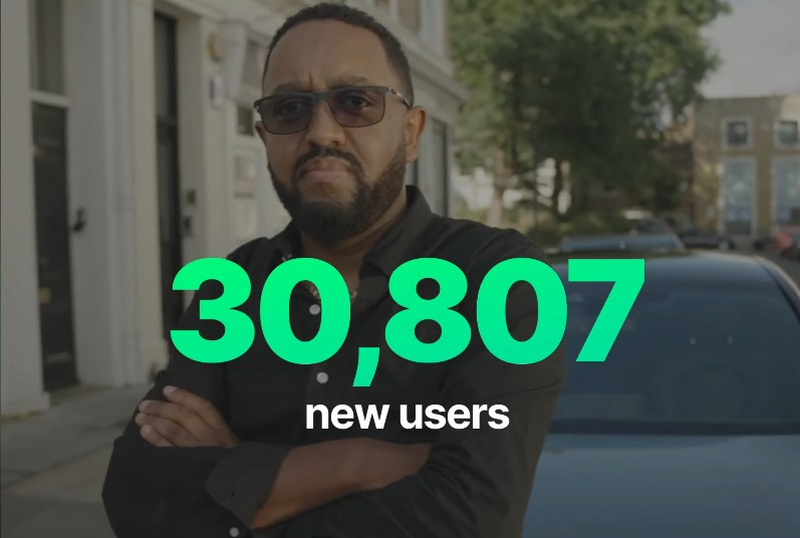
By 2020–2021, Karshare had moved firmly into neighbourhood car sharing and was positioning itself as a community-focused platform – effectively an “Airbnb for cars”, connecting local renters and owners.
During this period, the company:
- Established a team of more than 30 people
- Launched in Bristol, Manchester, Coventry and London, with later material describing operations in most major UK cities
- Raised around £3m in a pre-Series A funding round to support expansion within existing locations and into new ones
Across its lifetime, Karshare is reported to have raised close to £10m in total investment. Its own public statements after closure also referred to more than 20,000 journeys completed through the platform.
The Impact Of The Pandemic
The turning point for Karshare came with the pandemic. The business started with a strong airport component, and the near-total shutdown of international travel severely reduced demand for that side of the operation.
In response, Karshare pivoted towards city and suburban sharing, focusing on under-used cars in residential areas rather than airport car parks. The platform leaned into the idea of local communities sharing vehicles, which aligned well with broader shifts towards flexible working and changing attitudes to car ownership – but the company still had to deal with the financial shock of its early market disappearing almost overnight.
Running Out Of Road
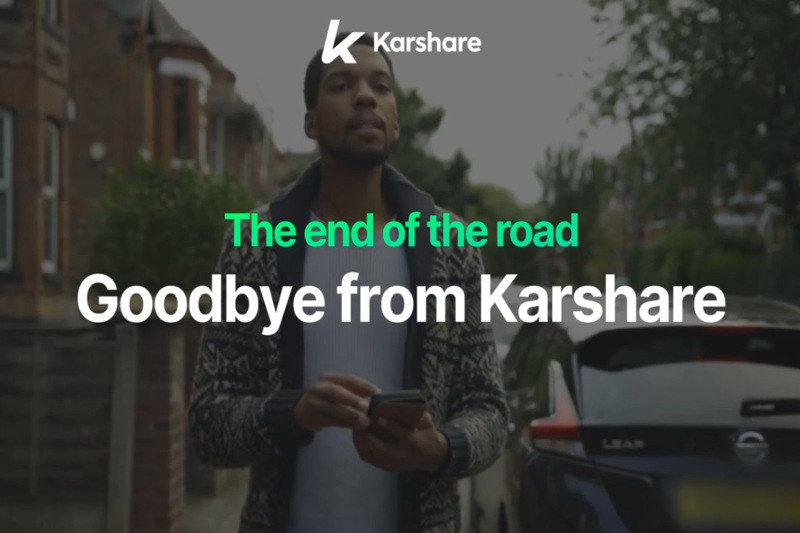
Despite the pivot and fresh funding, Karshare did not reach the level of scale it needed to become self-sustaining. By June 2023, the company had run out of money and appointed administrators, bringing all operations to an immediate halt.
In its closure announcement, Karshare confirmed that its “journey has come to an end” and that the platform was no longer operating. It thanked its community and highlighted the number of journeys completed, but made it clear that the service would not continue.
The underlying reasons were straightforward:
- Revenue had been badly hit by the earlier collapse in airport demand
- The business required further investment to push through a tougher economic period
- That new funding did not materialise, leaving the company unable to keep trading
What Karshare’s Story Tells Us
Karshare showed that there is clear appetite in the UK for app-based, local car sharing that uses existing private cars rather than a central fleet. The technology worked, the value proposition made sense, and the platform attracted both investment and users.
Its closure underlines a different point: peer-to-peer car sharing is a demanding model to sustain. It relies on high utilisation, careful matching of owners and renters across multiple cities, and ongoing investment to weather shocks such as a sudden collapse in travel demand or a wider economic squeeze. In Karshare’s case, those pressures ultimately outweighed the funding and momentum it had built.
For anyone looking back and asking what happened to Karshare, the answer is simple enough. It was a serious, well-backed attempt to make community car sharing work at scale in the UK. It grew quickly, completed tens of thousands of trips, and then ran out of time and money before it could prove that the model was financially resilient in the long term.