

DriveNow was one of the most ambitious car-sharing schemes to land in London.
Backed by BMW and Mini, and offering flexible, point-to-point rentals rather than traditional back-to-bay bookings, it aimed to bring the “free-floating” model that had taken off in parts of Europe to a UK audience.
For a while it looked like a serious alternative to the established car clubs. But in early 2020, the brand left London altogether.
Here’s what happened.
How DriveNow Entered The UK
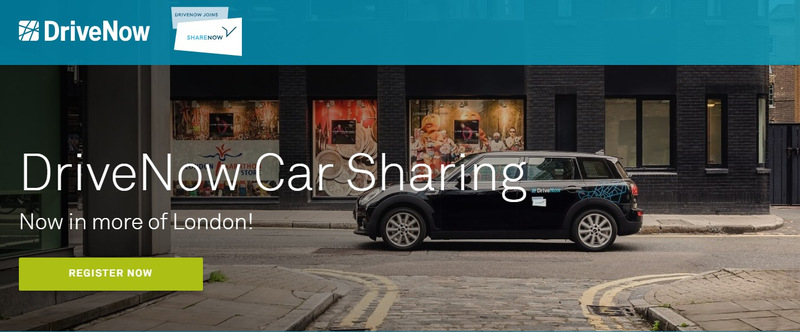
DriveNow launched in London in December 2014 as a joint venture between BMW and rental firm Sixt. Unlike traditional car clubs that rely on fixed bays, DriveNow cars could be picked up and dropped off anywhere within a designated operating zone. That meant you could find a nearby BMW or Mini on the app, unlock it, drive to your destination and finish the trip without having to return it to where it started.
The service quickly became known for its fleet. Alongside petrol Minis and BMWs, DriveNow introduced the electric BMW i3, which was unusual in London at the time and helped position the brand as a modern, urban-mobility option. For anyone who wanted more flexibility than a typical round-trip club could offer, DriveNow offered something genuinely different.
Free-Floating Sounds Simple – But Not In London
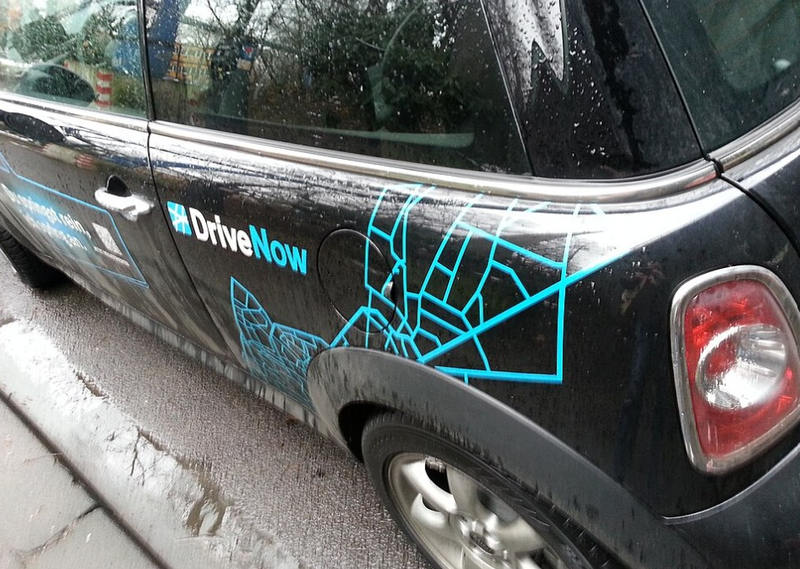

The idea worked well in cities where parking and regulatory rules were consistent across the whole urban area. London was a different story.
The operating zone initially spanned a handful of boroughs, and expanding it required agreements with each individual borough. That meant every change in the service – new car locations, new parking permissions, or even just keeping bays available – depended on complex local negotiations. Maintaining a free-floating fleet in a city divided into more than 30 separate authorities turned out to be far more difficult and expensive than operating in a single-authority city like Berlin or Vienna.
As a result, DriveNow never managed to create the seamless, city-wide network that the free-floating model depends on. The fleet was large, but the operating area remained fragmented.
Rebranding As Share Now
In 2019, DriveNow merged with another European car-sharing service called car2go and rebranded as Share Now. The idea was simple enough: combine resources, reduce duplication, and strengthen the business across Europe.
The rebrand didn’t solve the London-specific issues. Share Now continued to operate the same type of service, across the same fragmented geography, with the same cost pressures. Meanwhile, uptake from Londoners wasn’t growing fast enough to offset those costs.
Closing The Doors In 2020
In late 2019, Share Now announced that it would withdraw from London, with the service ending in the city on 29 February 2020. The company was clear about the reasons: demand in London wasn’t high enough, and the cost and complexity of running a free-floating fleet across multiple boroughs made the operation unsustainable.
The exit wasn’t unique to the UK. Around the same time, Share Now also pulled out of several North American cities and a handful of European ones. Even with major car manufacturers behind it, the business couldn’t justify staying in markets where the economics weren’t strong enough.
It was later acquired by a company called Free2move and folded into that brand, so Drive Now and Share Now do technically still exist, but not in the UK and under a totally different brand name.
What Made DriveNow / Share Now Distinct
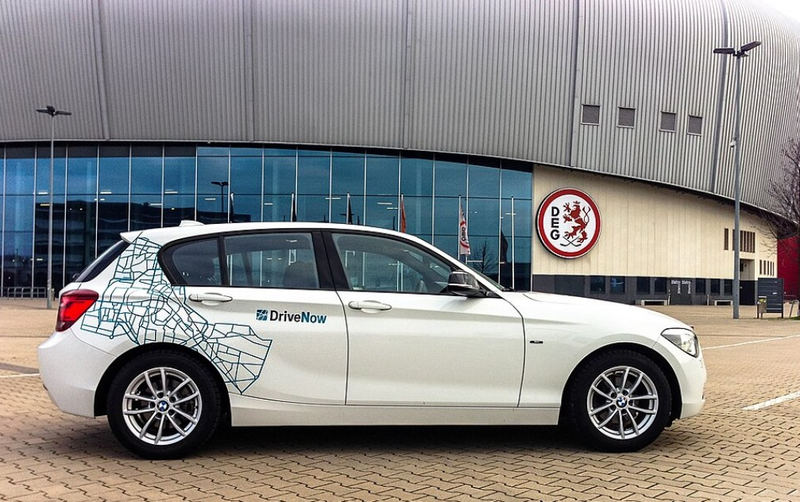

Although DriveNow didn’t last in London, it did introduce a few things that stood out:
- It was one of the few UK services to offer true point-to-point mobility rather than round trips.
- It brought premium cars into the car-club space, including the BMW i3 at a time when EV car sharing was still emerging.
- It tested whether London was ready for a flexible, floating model – something many mobility companies have looked at but few have attempted at scale.
In the end, though, the model needed a large, unified operating area to work properly. London simply wasn’t set up for it.
Their exit is often seen as an example of how challenging it can be to run a flexible, free-floating fleet in a city with complex local governance and high operational costs.
But they also showed what’s possible when the conditions are right: the ease of picking up a nearby car, driving it where you need to go, and ending the trip without worrying about return bays. It was an appealing idea – just one that never found enough room to grow in London.