
If you’ve looked at car club insurance details, you’ve probably seen the term CDW mentioned — often as an optional extra or a standard part of cover. It stands for Collision Damage Waiver, and it plays an important role in how much you’d have to pay if an accident happens.
Understanding what CDW means, how it works, and whether you need it can save you from unexpected costs later.
What CDW Actually Is
A Collision Damage Waiver isn’t insurance in the traditional sense — it’s an agreement that limits your financial liability if you damage the vehicle. In simple terms, it’s a “cap” on what you’d need to pay if you have an accident.
Without CDW, you’d be responsible for the full cost of repairs or replacement if the car were damaged. With CDW, the car club’s insurance covers most of it, and you only pay up to a fixed excess amount.
For example, if a club’s excess is £750 and you cause £2,000 of damage, you’d only pay the £750. The waiver effectively protects you from paying anything beyond that.
How It Works in Car Clubs
Most car clubs include basic CDW as part of your standard membership insurance. That means every booking you make already includes a set excess limit — usually between £500 and £1,000 depending on the provider and your membership type.
However, many clubs offer optional upgrades that reduce this excess further, often called “reduced excess cover” or “damage protection”. For an additional daily or monthly fee, you can lower your excess to around £100–£250.
This add-on is particularly useful for frequent drivers or anyone nervous about being hit with a large bill after an accident.
Why It Matters
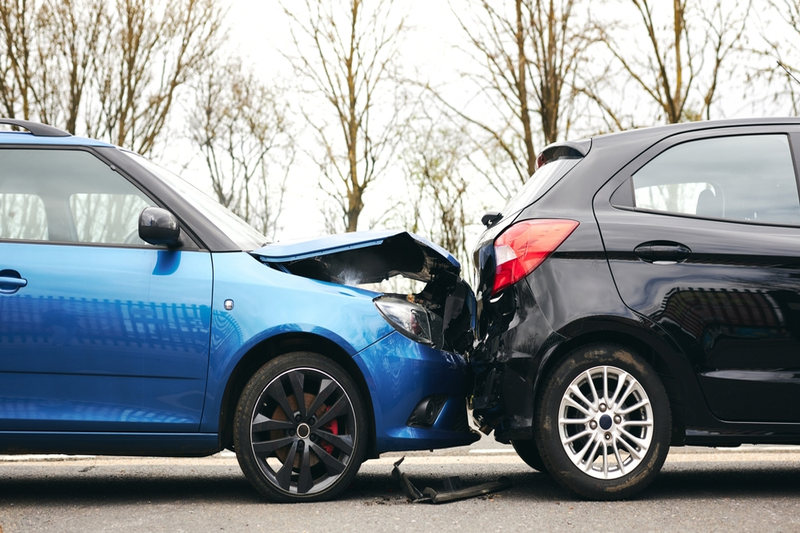
Car clubs rely on shared use, so accidents — from small scrapes to more serious damage — are an inevitable part of running a fleet. CDW ensures that members aren’t personally liable for full repair costs, while still holding drivers accountable through the excess payment.
It also helps clubs keep insurance claims simpler, since they can repair vehicles quickly without having to pursue members for the entire cost.
For drivers, it’s mainly about peace of mind. Knowing there’s a financial limit can make it less stressful to use unfamiliar cars or park in tight city spaces.
Optional Excess Reduction
Each car club handles excess reduction differently. Some let you add it to your account permanently; others apply it per trip. It’s usually charged as a small fee — either a few pounds per booking or a monthly subscription.
This doesn’t make you immune from paying anything if you cause damage, but it reduces your liability significantly. It can be worthwhile for regular users who want predictable costs, or for longer trips where the risk of minor damage increases.
What CDW Doesn’t Cover
Even with CDW, there are still things you’re responsible for. It doesn’t cover:
- Damage caused by breaking the rules (e.g., speeding, reckless driving, driving under the influence).
- Interior damage or cleaning costs.
- Lost keys or fuel card replacement.
- Tyre, wheel or windscreen damage, unless specified.
- Any damage caused by unauthorised drivers.
If any of these happen, you may still need to pay for repairs or other charges in full, regardless of your CDW.
How CDW Differs From Regular Car Insurance

Traditional car insurance usually involves filing a claim and letting your insurer handle costs, potentially affecting your no-claims bonus. With a car club, the insurance and CDW are built into the membership, so you’re not personally insured — you’re covered under the club’s group policy.
That means your own private car insurance (if you have one) isn’t affected by an accident in a car club vehicle, though you’ll still need to declare it as part of your driving history.
Is CDW Worth It?
For most members, yes. The included CDW provides essential protection and ensures you’re never liable for the full value of the vehicle. Whether you choose to pay for an excess reduction depends on how often you drive and how comfortable you are with the standard excess amount.
If you drive regularly in busy city environments, park in tight spaces, or simply prefer certainty over risk, lowering the excess can make sense. For occasional or careful drivers, the standard CDW may be enough.
The Bottom Line
CDW — Collision Damage Waiver — is what limits how much you pay if a car club vehicle is damaged while you’re driving it. It’s automatically included with every booking, but you can usually pay extra to reduce your liability further.
It’s not full insurance, and it doesn’t cover everything, but it’s what stops a small mistake from turning into a big bill.