
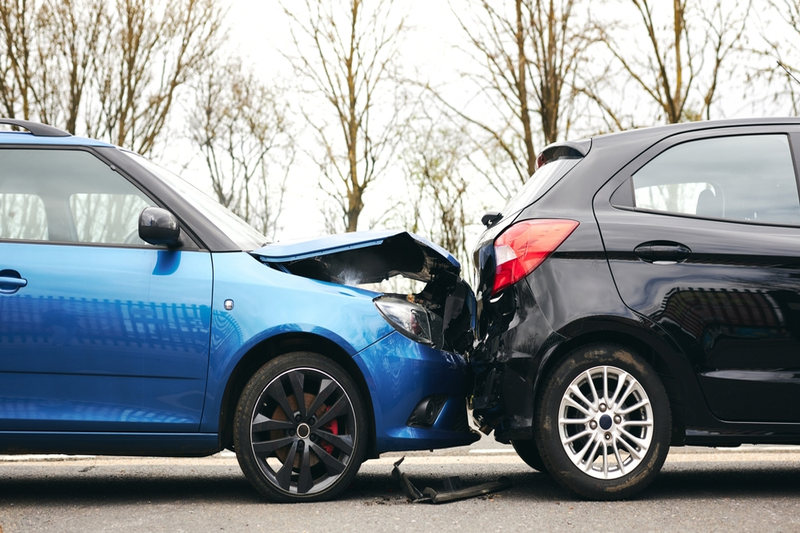
Car clubs include insurance as part of every booking, so you’re covered even if you don’t have a personal policy. But if you’re unlucky enough to have an accident, you might wonder whether it could affect your own car insurance later on.
It won’t affect your existing policy directly, since car club vehicles are insured under the club’s own fleet policy. However, you may still need to declare the incident when applying for or renewing your own insurance in future, as it forms part of your driving history.
How Car Club Insurance Works
Every major UK car club includes insurance as part of your membership. You’re covered automatically whenever you drive one of their vehicles, so you don’t need your own policy.
This insurance is usually provided on a fleet basis, meaning all members drive under the club’s group policy. You’re insured for third-party liability, damage to the car, and — depending on the provider — theft, vandalism or breakdowns.
If you cause an accident, the club’s insurance covers the repair costs, but you’ll need to pay the excess — the amount you’re personally responsible for. This can range from around £750 to £1,000, though many clubs offer optional excess reduction schemes for an extra fee.
Your Own Insurance Policy
If you have your own car and a separate insurance policy, an accident in a car club vehicle won’t trigger a claim on your personal insurance. The policies are completely separate.
However, all UK insurers require drivers to disclose any accidents or claims they’ve been involved in — even if they happened in another vehicle or under a different policy. This includes car club cars, company cars and hire vehicles.
Failing to declare previous accidents can lead to a future policy being cancelled or a claim being rejected.
So while your own insurance isn’t used to cover the damage, an accident could still influence your future premiums, as insurers assess your risk based on driving history, not just the vehicles you personally own.
How Car Clubs Handle Accidents
If you’re involved in a collision while using a car club vehicle, the process is straightforward:
- Make sure everyone is safe and call emergency services if necessary.
- Report the incident to the car club’s support line immediately.
- Provide details, photos and a police reference number if required.
- Pay the insurance excess if you’re found to be at fault.
The club will manage the insurance claim directly with their provider. You won’t need to deal with repairs or third-party insurers yourself.
Once the claim is settled, the incident will appear on your car club record, and you might be charged an administration fee. Some clubs reserve the right to suspend or close memberships for repeated or serious incidents.
What About Non-Fault Accidents?
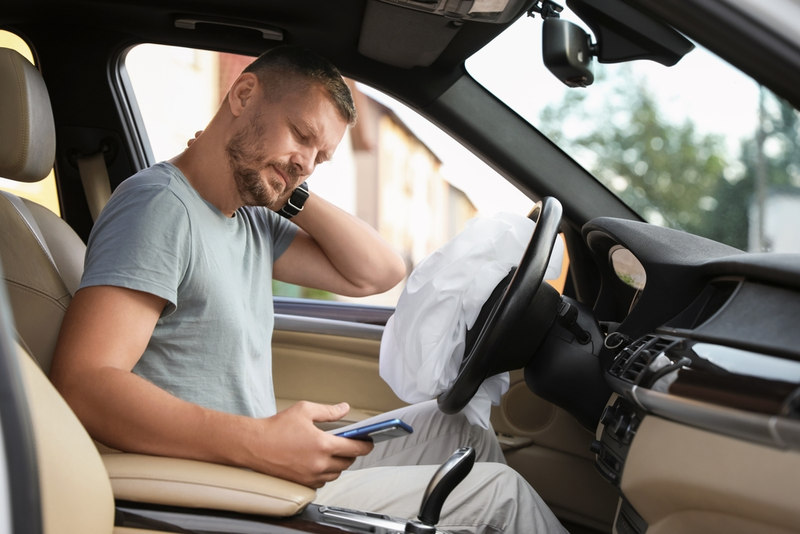
If someone else causes the accident, the process is similar. You should still report it, provide evidence, and let the club handle the claim. You won’t be expected to pay the excess if it’s clearly not your fault, though the club may hold it temporarily while the claim is being investigated.
Even non-fault accidents should be declared to your own insurer in the future, as they count towards your driving history.
How It Affects Future Applications
When you next apply for car insurance — whether for your own vehicle or through another shared scheme — you’ll likely be asked if you’ve had any accidents or made any claims in the last five years.
If you’ve had an incident in a car club car, the answer should be yes. You can explain that it was under a fleet or car club policy, but honesty is essential. Most insurers only adjust premiums slightly for incidents not linked to personal policies, so the impact is usually small.
Summary
Having an accident in a car club car won’t affect your current private insurance policy, because the club’s insurance covers the vehicle. However, you’ll still need to declare the incident in the future, as it forms part of your overall driving record.
In short:
- You’re covered under the car club’s fleet insurance, not your own.
- You’ll pay the excess if you’re at fault.
- You must declare the accident to future insurers, even if it wasn’t your fault.
That means your own insurance isn’t used — but your driving history still matters.