

Refuelling or recharging is one of the main differences between car clubs and traditional hire cars.
You don’t have to fill the tank every time you finish a trip, but you are expected to leave the vehicle ready for the next driver.
How that works depends on the club and whether the vehicle is petrol, diesel, or electric.
Who Pays for Fuel?
For petrol and diesel vehicles, car clubs usually cover the cost of fuel. Every vehicle includes a fuel card, normally found in the glovebox or centre console, which is linked to the club’s account. Members use it to refuel at partner stations when the tank is running low.
The main rule is that you shouldn’t return a car nearly empty. Clubs generally ask members to top up if the tank drops below a quarter. You use the fuel card, enter the vehicle’s mileage and PIN (listed in the app), and the cost is charged directly to the club — not to you.
If you forget the card or it doesn’t work, you can pay yourself and upload a receipt through the app to be reimbursed.
Peer-to-peer platforms work slightly differently. Some owners prefer to include fuel in the rental price, while others expect you to return the car with the same amount of fuel it had at pickup. The app usually confirms which policy applies before you book.
Refuelling Rules by Vehicle Type
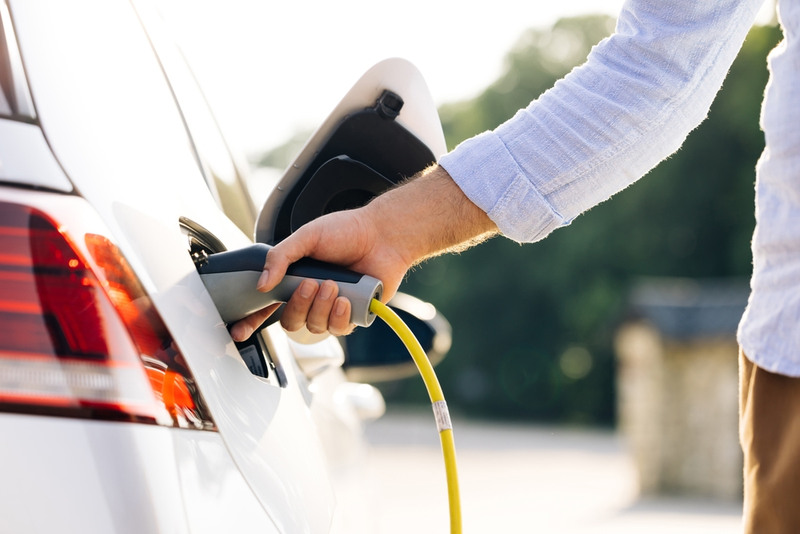
It is slightly different for petrol diesel cars compared to electric cars, but not by much:
Petrol and Diesel Cars
- Fuel cards are provided and paid for by the car club.
- Minimum fuel level: you must refill if below one-quarter of a tank.
- Receipts: if you pay manually, you’ll be reimbursed if you send proof.
- Penalties: failure to refuel when required can result in small admin charges or temporary suspension.
Electric Vehicles
Electric vehicles (EVs) are increasingly common in car clubs, and recharging them works differently.
- You don’t need to pay for charging yourself — the cost is included in your booking.
- The car club provides an access card or account linked to major public charging networks (for example, Source London, Shell Recharge or BP Pulse).
- You’re encouraged to plug the car back in when you finish the trip, especially if it started plugged in.
If a charging card is missing or a charger doesn’t work, you should report it via the app or support line. Some clubs also allow reimbursement if you use your own card or pay directly at a charger.
Peer-to-peer EVs may not always include public charging access. Some owners prefer renters to charge using their own accounts and factor the cost into the total price.
Who’s Responsible for Fuel or Charge Levels?
The rule is simple: you must leave the car ready for the next member. That means:
- Fuel or battery should not be close to empty.
- The car should be parked in its correct bay or return area.
- Any issues with cards, chargers or fuel stations should be reported immediately.
Failing to do so can lead to inconvenience for the next user and potential charges for you. Clubs track refuelling activity automatically, so if you repeatedly return cars nearly empty, it can affect your standing.
What About Vans and Business Vehicles?

Refuelling rules for vans are the same — use the fuel card provided, refuel if below a quarter, and report any problems straight away.
For business accounts, fuel cards still cover costs, though larger corporate users sometimes handle refuelling internally through expense systems. The vehicle’s in-app instructions take priority.
Common Mistakes to Avoid
- Forgetting to refuel: always check the gauge before ending your trip.
- Using the wrong fuel: if you put in the wrong type (e.g. diesel into a petrol car), report it immediately — do not try to drive. The club will arrange recovery, though you’ll likely be charged for misuse.
- Leaving the car unplugged: with EVs, always plug back in if a charger is available.
- Losing the fuel card: report this instantly through the app; it’s linked to the club’s account, so it must be cancelled.
The Bottom Line
Refuelling a car club vehicle is simple once you know the system. Fuel cards or charging accounts mean you rarely have to spend your own money, and you don’t need to return the vehicle with a full tank.
Your main responsibility is to leave enough fuel or charge for the next driver, follow the app’s instructions, and report any issues. Everything else — from payment to network access — is handled by the club.