
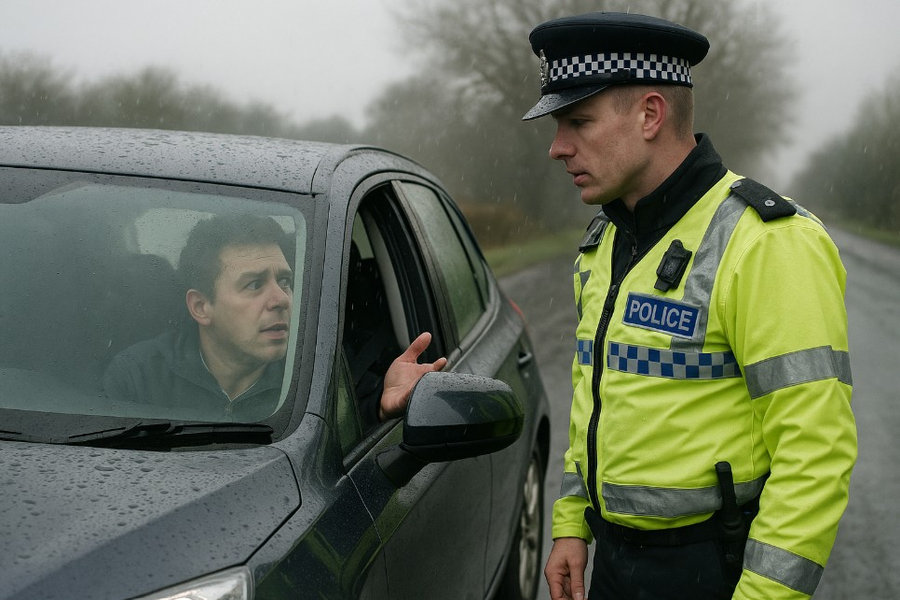
You’ve just been pulled over on a routine stop. The officer runs your plate, asks a few questions, and then delivers the news: your car isn’t insured. You’re baffled—maybe you assumed your policy was still valid, or thought you were covered to drive someone else’s car. Either way, you’re in for a rough ride.
Driving without insurance isn’t just a slap-on-the-wrist offence in the UK. It’s a serious issue, and if you’re not properly covered—even by accident—the consequences can hit harder than you might expect.
Let’s break it all down, plain and simple, so you know exactly what you’re dealing with if it ever happens to you—or how to make sure it doesn’t.
What Actually Counts as ‘Uninsured’?
It’s easy to think of driving without insurance as something only chancers or boy racers do, but it can happen to anyone. A lapsed direct debit, a cancelled policy you thought was auto-renewed, or even misunderstanding the small print when borrowing a car—these are all real-world examples of how otherwise responsible drivers end up uninsured.
Here are a few of the most common ways drivers fall foul:
- You let your policy expire or get cancelled and didn’t realise.
- You’re driving a friend or family member’s car and wrongly assume you’re covered under their policy.
- You believe your own comprehensive policy includes “Driving Other Cars” cover, but it doesn’t—or it has strict conditions (e.g. over 25s only, emergencies only, or third-party only).
- You’re between policies and figure a quick run to the shops won’t hurt.
Unfortunately, none of these excuses will cut it if the police stop you.
What Are the Legal Consequences?

Getting caught without insurance can trigger a cascade of trouble. It’s not just about a fine and a ticking off—it can put points on your licence, cost you your car, and even push up your premiums for years to come.
Here’s what you could be facing:
- Fixed penalty fine of £300 and six penalty points on your licence. That alone is enough to put many drivers over the 12-point ban threshold.
- If the case goes to court, the fine can be unlimited, and you could get disqualified from driving altogether.
- The police can seize your car on the spot, and if you don’t prove it’s insured quickly enough, they can crush it.
- If you’re driving as part of your job and get caught uninsured, it can affect your employment—and your employer might face penalties too.
Insurance companies don’t take it lightly either. Once you’ve been caught, you’ll likely be flagged as a higher risk driver, and your premiums will rise. Some insurers might even refuse to cover you altogether.
How Do the Police Catch You?
It’s not all down to random stops anymore. The police now use Automatic Number Plate Recognition (ANPR) systems, which scan plates against a central insurance database in real-time. If you drive past a marked car or ANPR-equipped patrol and you’re not on record as insured, it’ll flash up immediately.
ANPR cameras are installed on police vehicles, motorway gantries, and even in some town centres. You won’t necessarily see them, but they’ll see you—and once that alert pings, it’s only a matter of time before blue lights appear in your rear-view mirror.
Common Misconceptions That Catch Drivers Out
Plenty of people get caught simply because they misunderstood the rules. One of the biggest traps is assuming you’re covered to drive another person’s car. That might have been true under older policies, but a lot has changed.
Many comprehensive insurance policies used to include “Driving Other Cars” (DOC) cover, but most now either exclude it entirely or put strict limitations on who can use it and when. And even when it does apply, it almost always gives third-party only protection—not comprehensive.
Another myth? That you’ve got a “grace period” if your policy has just expired. You don’t. If your insurance ended yesterday and you haven’t renewed, you’re driving illegally today.
What to Do If You’re Caught Without Insurance

First things first: stay calm and cooperate. If you’re pulled over and told you’re uninsured, arguing with the officer isn’t going to help your case. If you genuinely believe it’s a mistake, say so politely and ask for the chance to provide documentation later. Sometimes insurers fail to update the national database, and you might still be covered—but you’ll need proof.
If your car is seized, you’ll have to:
- Provide proof of valid insurance within seven days (this must cover the day you were stopped).
- Pay a release fee—usually around £150, plus a daily storage charge.
- Show your driving licence and proof of ID.
If you can’t provide valid insurance within the time limit, your vehicle will be taken from you permanently and either sold or destroyed.
How to Check That You’re Covered
To avoid all of this, the best thing you can do is make absolutely sure you’re insured before you hit the road. You can use the Motor Insurance Database at askMID.com to check if your car shows up as insured—it’s quick, free, and updated regularly.
Make it a habit:
- Check when your policy expires and set reminders to renew in good time.
- If you change your vehicle, double-check the cover starts on the correct date.
- Never assume you’re covered to drive someone else’s car—read your own policy carefully.
The Bottom Line
Driving without insurance in the UK is not something the authorities take lightly—and neither should you. It doesn’t matter whether it was a genuine mistake or a gamble that didn’t pay off. The penalties are steep, and once you’re caught, there’s no easy way to undo the damage.
But it’s avoidable. Know your cover, check it regularly, and don’t make assumptions based on what your mate once told you in the pub. With ANPR watching and penalties harsher than ever, there’s simply no room for guesswork.
Make sure you’re covered—because the cost of not being insured isn’t just financial. It could cost you your car, your licence, or even your job. And no one wants that just because of a missed renewal email or a dodgy assumption.
Got questions about insurance quirks or legal grey areas? Drop us a line—we’re always happy to help clear the fog.